Article
Why Hospitals and Other Healthcare Facilities Need the Certainty of Schebler
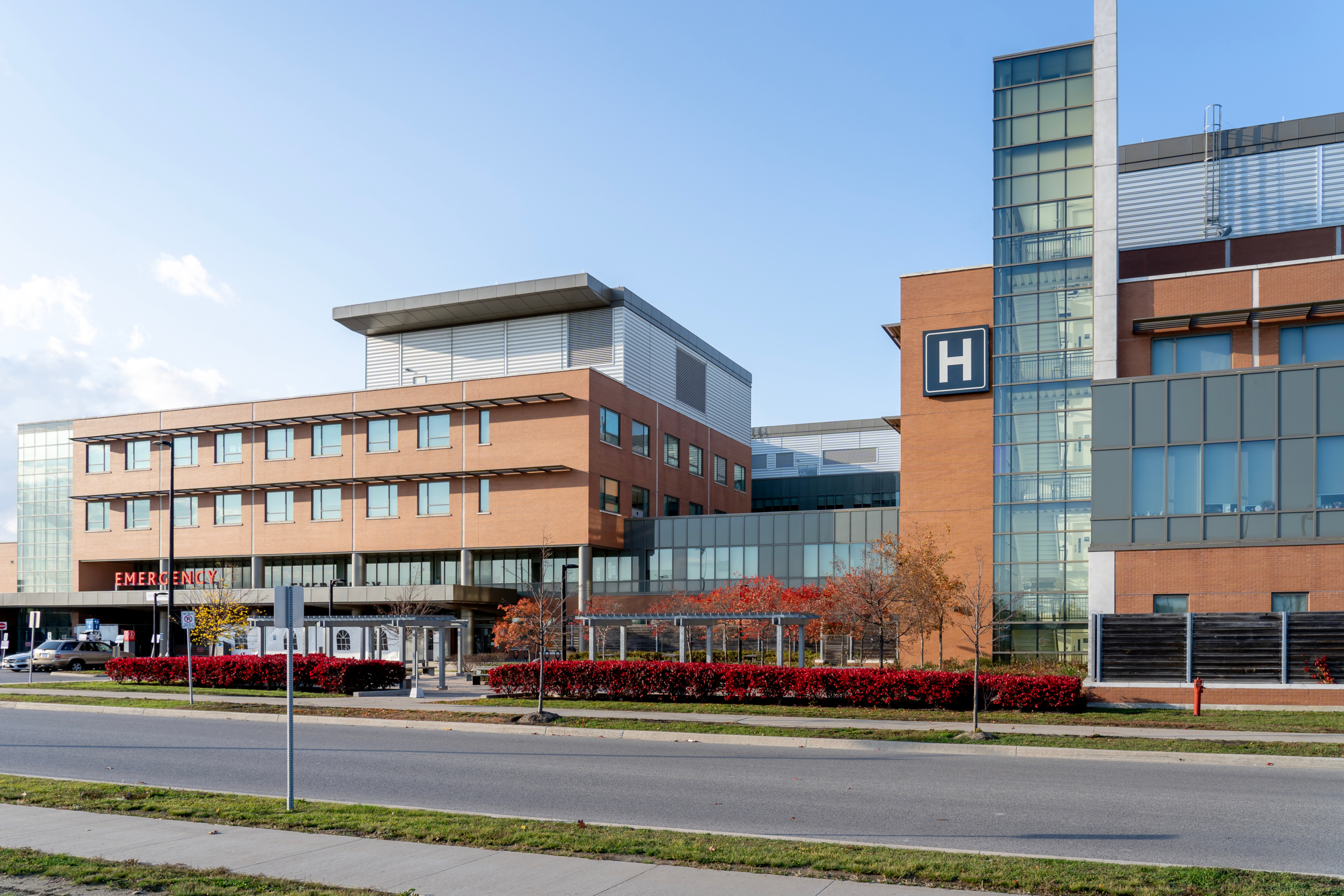
When it comes to healthcare facilities, mechanical systems aren’t merely about comfort; they’re about patient and staff safety, regulatory compliance and keeping systems operational. Because medical centers provide critical services around the clock, 365 days a year, their ventilation systems must operate continuously, despite varying, often extreme temperatures both inside and outside, including those generated by medical equipment, commercial kitchens and boiler rooms. That’s why their industrial-grade chimney systems are critical and why they must be built for durability and long-term performance.
Life Safety and Patient Protection
Boilers, water heaters, generators, sterilizers and incinerators all produce combustion gases such as carbon monoxide and nitrogen oxides. The ventilation systems in hospitals and other healthcare facilities must safely remove these harmful exhaust gases from the building to prevent dangerous gas buildup and protect vulnerable patients with immune or respiratory issues. Even minor ventilation failures or leaks, including those from joints and connections, can pose serious health risks.
Fire safety is also an important aspect of proper venting. Boilers, backup generators, commercial kitchen equipment and even some medical equipment produce high-temperature exhaust gases. If those gases are not properly contained and discharged, they can create serious fire hazards and pose health risks.
In environments filled with advanced diagnostic and life-support equipment, protecting mechanical spaces is just as important as protecting patient rooms. Corrosive exhaust leakage can damage controls, wiring and electronics, increasing the risk of system downtime.
The MRI Quench Vent Solution
MRI machines are one example of medical equipment that has special venting requirements and pose potential, even life-threatening, hazards and explosions when venting is inadequate. The Schebler Company created CryoDuct®, the first and only prefabricated exhaust system designed specifically to meet MRI safety requirements, to meet this critical need.
Continual Operations
Healthcare facilities cannot afford power interruptions even during extreme weather events or grid failures. Backup generators must activate immediately during outages to ensure essential life-saving medical equipment remains operational, and those generators require dependable exhaust systems. If the venting is undersized, improperly routed or restrictive, it can create excessive backpressure in the exhaust system and fail to vent dangerous gases. Rapid startup and shutdown cycles can also strain the system, especially if the venting is poorly designed.
Complex Routing Requirements
They often have multiple wings and add-ons built over decades, plus multiple floors and a wide variety of spaces, each with its own unique venting requirements, including patient rooms, emergency centers, lobbies, commercial kitchens and laundry rooms.
Routing exhaust and venting systems through these environments requires careful engineering, coordination and structural planning, including unique requirements for sterile and patient-care zones.
In hospitals, where stacks may extend from basements and through multiple occupied floors, proper bracing becomes especially critical. High-temperature exhaust systems expand significantly during operation. In a multi-story hospital installation, cumulative expansion can be substantial. Guided supports allow movement in one direction while restraining others.
Without these design considerations, expansion forces can compromise joint seals, increase stress at penetrations or reduce system lifespan.
Meeting Code Requirements
Healthcare facilities, including hospitals, are among the most heavily regulated building types in the United States. Venting systems must meet strict standards, such as those set by the NFPA (National Fire Protection Association) and local building and health authorities. NFPA 96 is the primary U.S. fire code governing the design, installation, operation, inspection and maintenance of commercial kitchen exhaust hoods and grease ducts. NFPA 99, or the Healthcare Facilities Code, governs medical gases, electrical systems and equipment in clinical environments such as hospital patient care areas. Improper venting can result in failed inspections, shutdowns or costly retrofits. High-quality, code-compliant chimney and venting systems help facilities avoid compliance risks and maintain accreditation.
The Schebler Advantage
At Schebler, we have considerable expertise in generator and grease duct systems for hospitals and healthcare facilities across the United States. We engineer our advanced hospital chimney and exhaust solutions to:
- Deliver long-lasting reliability and durability
- Safeguard staff and patients from potential hazards
- Ensure compliance with industry standards
- Streamline installation, minimizing disruptions
Our healthcare exhaust solutions include the following products:
eVent® Series
Modular vent and exhaust systems are ideal for venting high-efficiency appliances that require a positive, neutral or negative draft.
P Series
UL listed, lightweight chimney products that offer low clearances, lower initial costs and multiple insulation options.
CPR Series
Designed for critical generator exhaust applications requiring zero leakage.
FyreGuard®
Double-wall round grease ducts that increase usable space with zero clearance while improving fire safety.
SlimVent®
The industry’s only obround-shaped grease duct.
Sequence Draft Control®
Venting systems that meet today’s high-efficiency boiler and hot water heater exhaust venting requirements.
For more information about our chimney and venting solutions for healthcare facilities, such as hospitals, ambulatory surgical centers, long-term care facilities, behavioral health facilities and more, contact us today.

